
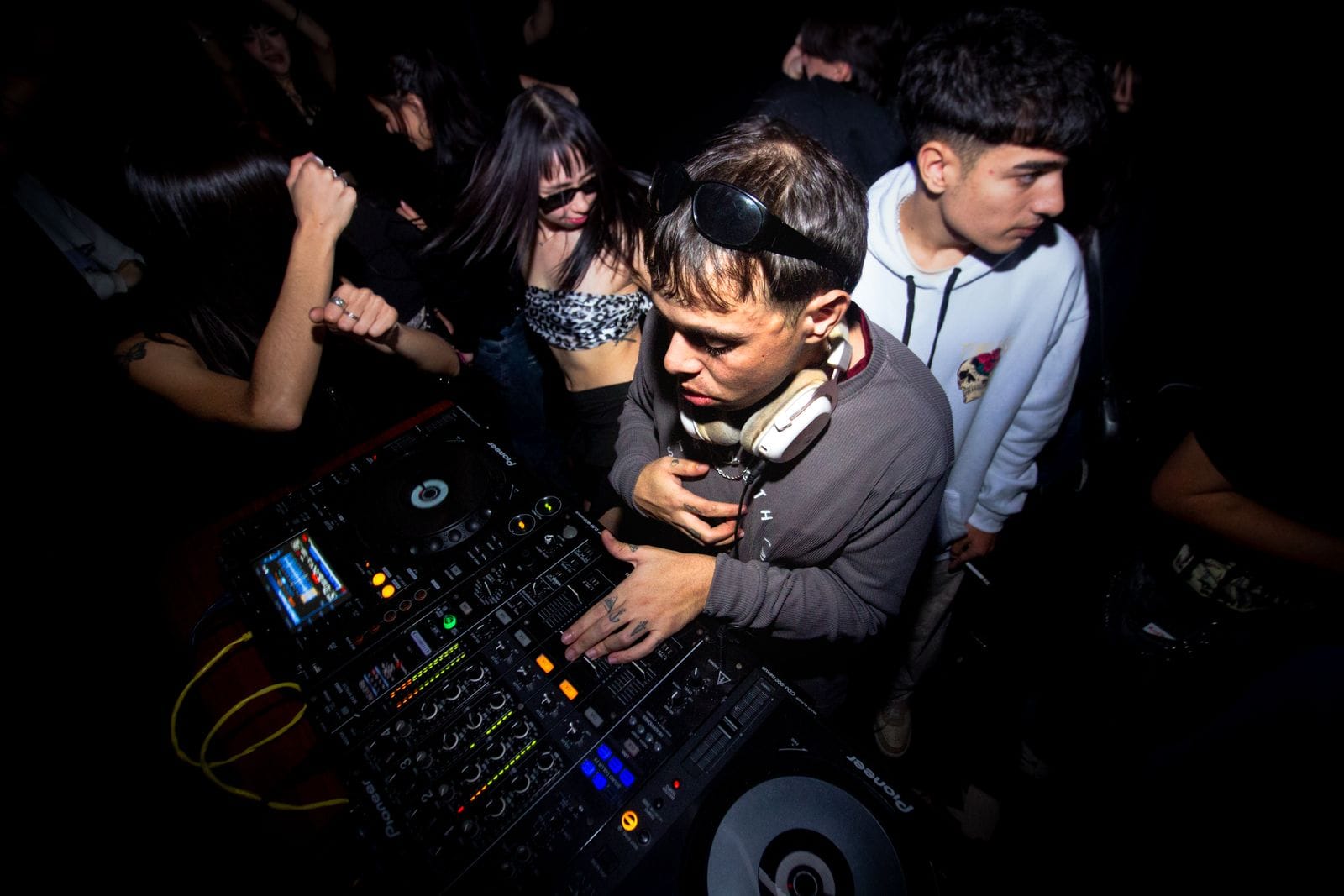
It's 1:47 AM. The bride's uncle has been running the request sheet for twenty minutes, the floor is down to eleven people, and the contract cuts the night at 2:00 AM. You have thirteen minutes to fix this or end the reception on a room nobody remembers standing in.
That's reading a crowd. Not the version where you scan some faces and vibe-check the room — the version where you're out of time, the next track is a bet, and getting it wrong costs you the last impression the room walks out with.
Every guide on this topic tells you to watch the floor. Fewer of them tell you what to do once you've actually seen it. Watching is the easy half. Here's the version with both halves, and the opinion the easy-half guides skip: a correct read is useless if you don't have the range to act on it.
What reading a crowd actually means
Reading a crowd isn't a vibe. It's pattern recognition running on a loop: watch what's happening on the floor right now, compare it to what you expected when you built the set, and close the gap before it grows.
Most DJs think of it as one skill — "can you tell if people are into it." It's actually three, stacked:
- Read the room before you start — who's here, what the previous DJ left behind, what the room expects from tonight.
- Read the floor in real time — hands up or hands in pockets, singing along or scrolling, people arriving at the bar or leaving it for the floor.
- Read the gap between plan and reality — the set you built at home assumed a room that may not be the room that showed up.
Call it crowd psychology if you want the textbook term (Wikipedia's entry on crowd psychology covers the non-DJ version) — on the floor it's simpler. A room tells you what it wants constantly. Most DJs just aren't listening past their own set.
Do the reading before you touch the first fader
The read starts before the gig, not during it. Show up with enough time to actually look at the room — who's arriving, what age range, what the bar's pouring, what's already on the speakers. A wedding at 6 PM and a wedding at 6 PM with an open bar and a 45-and-up guest list are not the same wedding, and your first thirty minutes shouldn't sound like they are.
Talk to whoever played before you, if anyone did. What worked, what died, what got requested twice. That's a free read someone else already paid for.
This is also where the wedding-planner spreadsheet earns its keep instead of its reputation as a joke. A 4,000-row "music preferences" document with a must-play column, a do-not-play column, and "Don't Stop Believin'" listed in both is not chaos for its own sake — it's a pre-written partial read of the room, signed by the two people who know it best. Ignore it and you're reading blind. Use it and you've been handed a head start nobody else on the bill gets.
None of this replaces watching the actual room once people are in it. It just means you're not starting from zero.
What does a full dance floor actually tell you?
A packed floor isn't proof you're reading it correctly. It's proof you were correct twenty seconds ago. The room can turn faster than that, so the signals worth tracking are the ones that predict the next five minutes, not the ones that describe the last five.
Watch for:
- Hands up, singing along, phones down — the room is locked in and doesn't need a rescue, it needs you to not ruin it.
- Phones up, filming instead of dancing — not always bad, but it's a different kind of engagement than movement. Don't mistake it for energy you can spend.
- People drifting toward the bar in twos and threes — the early version of a floor emptying out. Catch it here, not after the floor's already half gone.
- The same three people always dancing, everyone else watching — you haven't built trust yet. The room's waiting to see if it's safe to commit.

The mistake most DJs make here is treating a full floor as a fixed state instead of a trend line. A floor that's been full for forty minutes on the same three-song loop is closer to empty than it looks — energy that isn't moving is energy that's about to drop the second the loop breaks. Read the direction, not the snapshot.
Why open-format range is what makes a read usable
Here's the part that actually separates DJs who read the room well from DJs who just watch it well: open format isn't a genre choice, it's the mission requirement for acting on what you see. The industry still treats "open format" like a fallback category for people who couldn't commit to house or hip-hop. It's the opposite. It's the job description for anyone who has to respond to a room in real time instead of running a pre-approved script.
A genre-locked DJ can read the room perfectly and still have nothing to do about it. They saw the floor drift toward the bar. They know exactly why. Their only lever is a louder version of the same lane, and if the room's problem isn't "not enough house," that lever does nothing. The read was correct. The response was structurally unavailable.
An open-format DJ reads the same drift and has five different directions to pull: drop the tempo and rebuild, bridge into a genre the room hasn't heard yet tonight, deploy the one track that bridges two different crowds in the room at once, pull back the energy on purpose because the floor's actually asking for a breather, not a bigger drop. The read is identical. The range is what turns it into a decision instead of a diagnosis.
This is also why "just play what the room wants" is incomplete advice. The room doesn't hand you a request in words most of the time — it hands you a floor that's thinning, or locked in, or half-committed, and the translation from that signal into an actual next track is the actual skill. Range is the vocabulary you're translating into. Without it, you can read the room fluently and still have nothing worth saying.
Reading requests without losing the read
Requests are data, not orders. Treat every one as a single vote and you'll get whiplash chasing whoever spoke last. Treat the pattern across ten of them as a signal and you've got something usable.
One request for a song is one person's opinion. Three different people requesting the same track in fifteen minutes is the room telling you something your own read missed — take that seriously, fast. The rest of the sheet is texture, not instruction.

The counter-argument to "read the room, not the request sheet" is that ignoring requests reads as arrogance, especially at a wedding or corporate gig where the person requesting is the one who paid you. Fair. The move isn't refusing requests, it's not letting any single one override what you're actually seeing on the floor. You can queue a request for the right moment instead of firing it the second it lands (that's the difference between using a request and being used by one).
The slow build beats the panic reach
The most common way DJs blow a read is reaching for the loudest track they've got the moment the floor looks uncertain. It works for four minutes. Then you're out of ammunition for the actual peak, and the room can feel the ceiling you just hit.
A floor that's uncertain usually doesn't need your best track. It needs a clean, patient build that gives people permission to commit without demanding it. Save the highlight reel for when the room's already locked in and ready to go further — that's when it lands as a peak instead of a shrug.
This is the same logic that makes a thirty-five to 45-minute demo mix with one clear arc more convincing than a highlight reel: an arc proves you can build a room from a real starting point, not just detonate the one track you know works. It's also why the same names keep cycling through the same Resident Advisor-covered residencies — a DJ who reads a room and paces it well gets asked back more than one who peaks early and hopes.
How do you recover a dying dance floor?
Back to 1:47 AM. The floor's down to eleven people, the uncle's still running the sheet, and the fix isn't the loudest song in the folder — it's the read from twenty minutes earlier, still valid: an older crowd, tired from three hours of dancing, that responds to a song everyone half-knows more than a song a quarter of them love.
A clean edit of something the whole room already owns emotionally is the actual save here, not a genre swap and not a volume increase. Bridge with a track that costs the room nothing to sing along to, let that rebuild the floor for two minutes, and only then decide whether to climb or hold. The panic move is reaching for something louder. The read-based move is reaching for something the room already trusts.
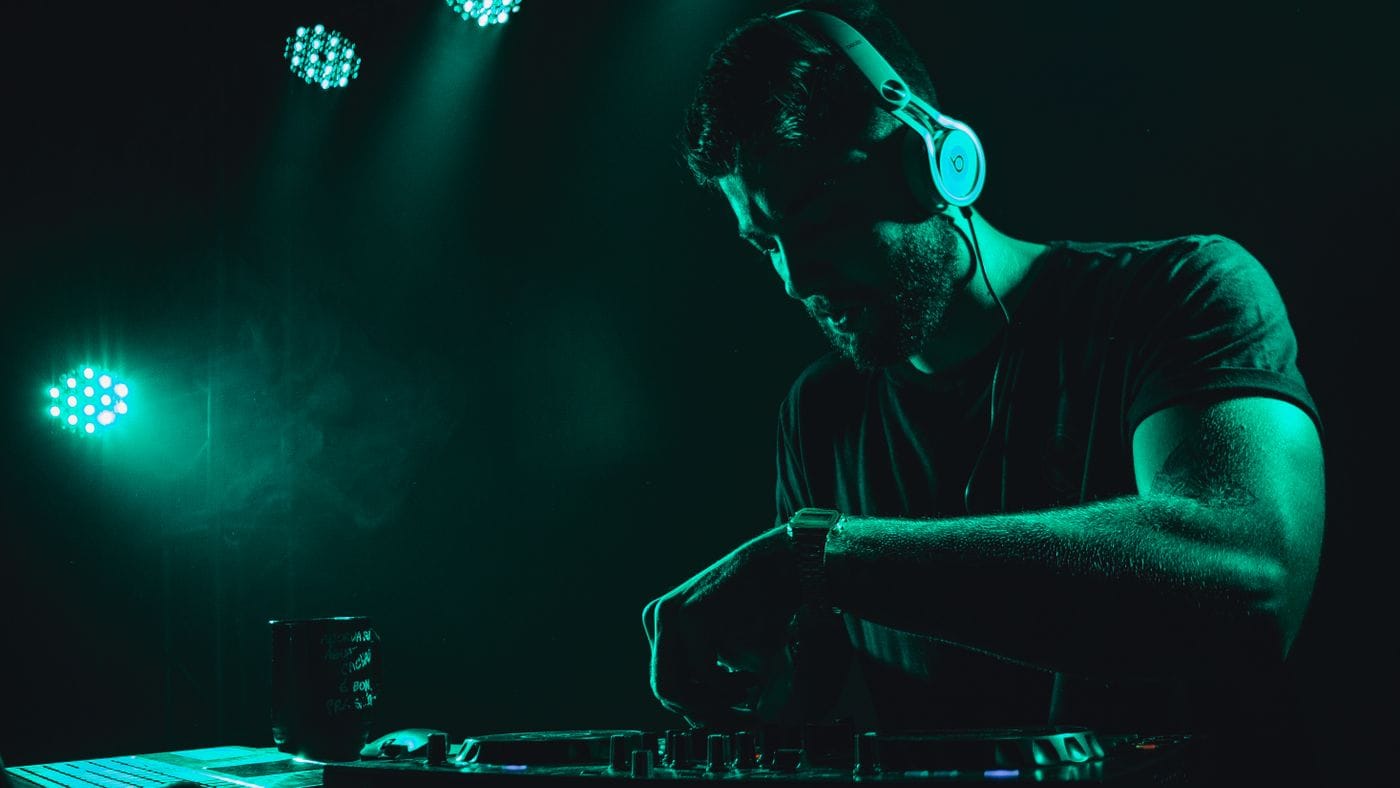
That thirteen-minute window from the intro isn't hypothetical. It's every wedding reception after 1 AM, every corporate gig after the open bar closes, every club night after the headliner's slot ends and the room has to decide if it's staying. The read told you the room was tired, not done. The response is what makes that distinction worth anything.
Frequently asked questions
How long does it take to learn to read a crowd as a DJ?
Longer than any article, including this one, can promise. The pattern recognition sharpens over dozens of live sets — reading a floor in a practice room with three friends doesn't train the same instinct as reading two hundred strangers who've been drinking for four hours. Expect the skill to keep improving well past your first year of paid gigs.
Should a DJ take every song request?
No, and treating every request as an order is how sets fall apart. Use requests as data: one is an opinion, a pattern across several is a signal worth acting on. Queue the rest for a moment that fits instead of firing them the second they land.
What's the difference between reading a crowd and just playing crowd-pleasers?
Reading a crowd tells you what a room needs right now. Playing crowd-pleasers on autopilot ignores that and assumes every room needs the same five songs. The first approach adapts. The second just hopes.
Does genre specialization make it harder to read a crowd?
It doesn't make the read harder — it makes acting on the read harder. A genre-locked DJ can diagnose a dying floor perfectly and still have only one lever to pull. Range is what turns an accurate read into an actual fix.
Bringing it back to the booth
None of this replaces being good in the room — no article does that for you. What it means is that the next time the floor thins out at 1:47 AM, you're not guessing. Knowing how to read a crowd as a DJ only pays off once you've got the range to act on what you see, instead of one lever and a hope.
If you want to hear what a set built around that kind of range actually sounds like, book a night through the homepage or dig into how to get booked as a club DJ and what open format actually means for the rest of the picture. More breakdowns like this one live on the blog.
Image credits. All photos via Pexels under the Pexels free-to-use licence. Hero: el disculpe. Inline 1: Mark Angelo Sampan. Inline 2: Novkov Visuals. Inline 3: Wellington Paixão.