
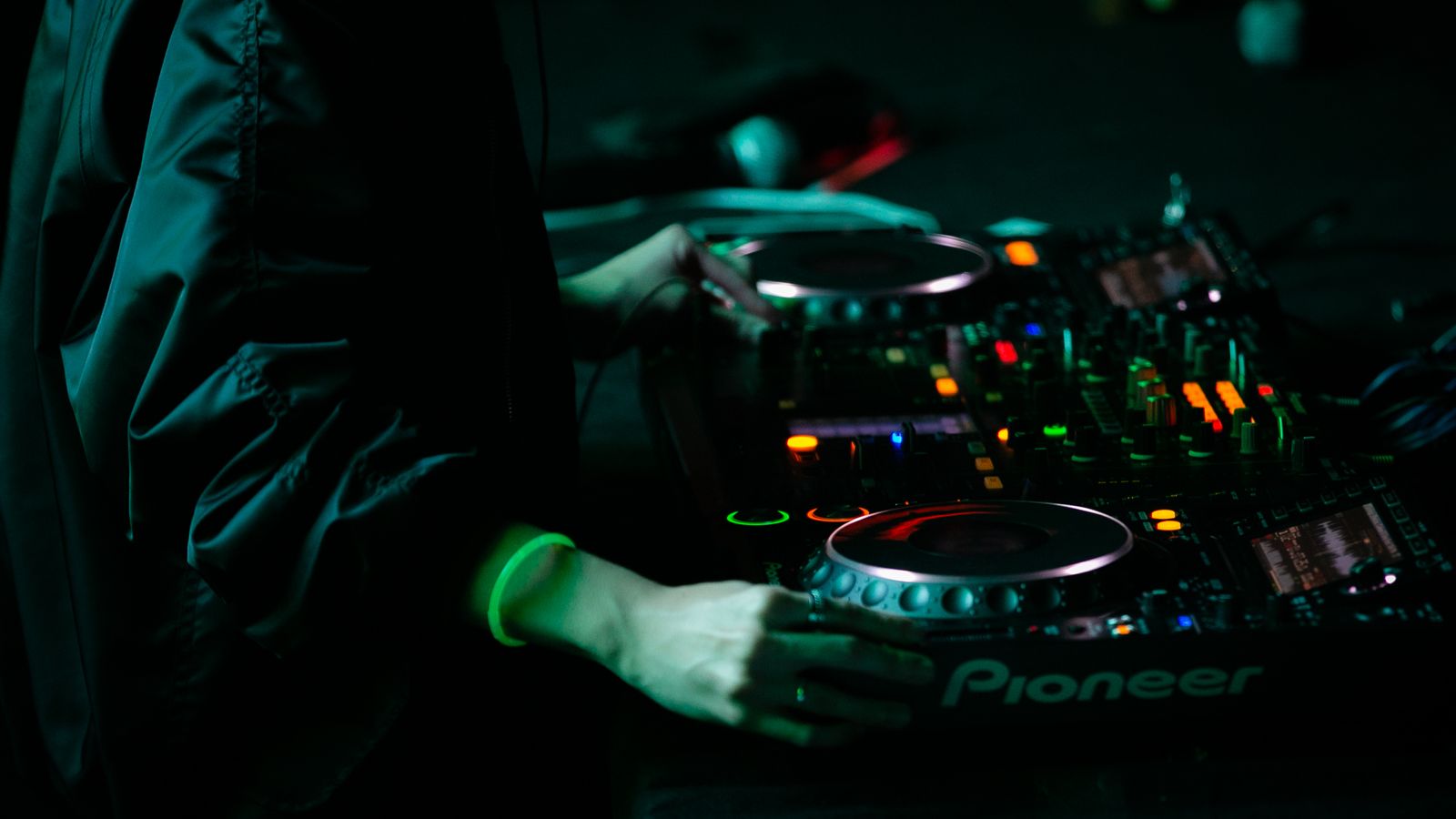
It's 1:47 AM. The dance floor is half full and fading. The bride's uncle has commandeered the request sheet and written "ONE MORE SONG" in capital letters, twice. You've got 13 minutes before the 2 AM cutoff to either save this or lose it, and the track that could do it has a 40-second intro of a guy talking over a drum machine before the beat even shows up.
You don't play that intro. You play the edit that starts on the drop.
That's the whole argument, honestly. Original tracks are made to be listened to. Edits are made to be played. Different job, different tool, and most of the "edits vs originals" debate online skips the part that actually matters to a working DJ: which one gets you through the next 13 minutes without losing the room.
What actually separates a DJ edit from the original mix
An edit is a working DJ's rebuild of a track that was never structured for mixing in the first place. Nothing about the melody, the vocal, or the drop changes — an edit isn't a remix. It's the same song, restructured: a longer intro built from the track's own elements so you have somewhere to beatmatch into, a breakdown trimmed so it doesn't stall the floor, an outro that ends clean instead of dissolving into a fade nobody can mix out of.
The original mix, meanwhile, was built for a completely different listener. It's mastered for headphones, a car stereo, a playlist that autoplays into the next song without anyone touching a crossfader. Producers aren't building DJ tools when they finish a record — they're building a single, and a single's job is to grab attention in the first eight seconds, not to hand a DJ eight clean bars to mix into.
That mismatch is the entire reason edits exist. Not as a lesser version of the song. As a different product, built for a different room.
There's a related term worth separating out here too: an "extended mix" — the 6-minute-plus club version some tracks ship with alongside the radio cut — is closer to a DJ edit than the original single is, because it was already built with mixing in mind. It's just not guaranteed to exist for every track, and when it doesn't, you're building the equivalent yourself.
Why the original mix fights you at 1 AM
Play the untouched original in that 1:47 AM moment and you're gambling on things you don't control: whether the intro is long enough to mix into, whether there's a spoken-word bit that kills momentum, whether the outro gives you a clean eight bars or dumps you into silence with the vocal still hanging in the air. A good edit removes every one of those variables before you ever touch the mixer.
The floor doesn't know or care that the intro got extended from 8 bars to 32. It only knows whether the transition landed. An edit is you doing the risk-management work in advance, at home, sober, instead of live, at 1:47 AM, with a bride's uncle watching.
Same logic applies earlier in the night, when nothing's on fire yet. A 9 PM dinner-hour set that has to sit quietly under conversation doesn't want a track that suddenly spikes into a full-volume drop because the original wasn't built to be background music. An edit that holds the energy flat for an extra 16 bars solves a problem the original was never asked to solve.
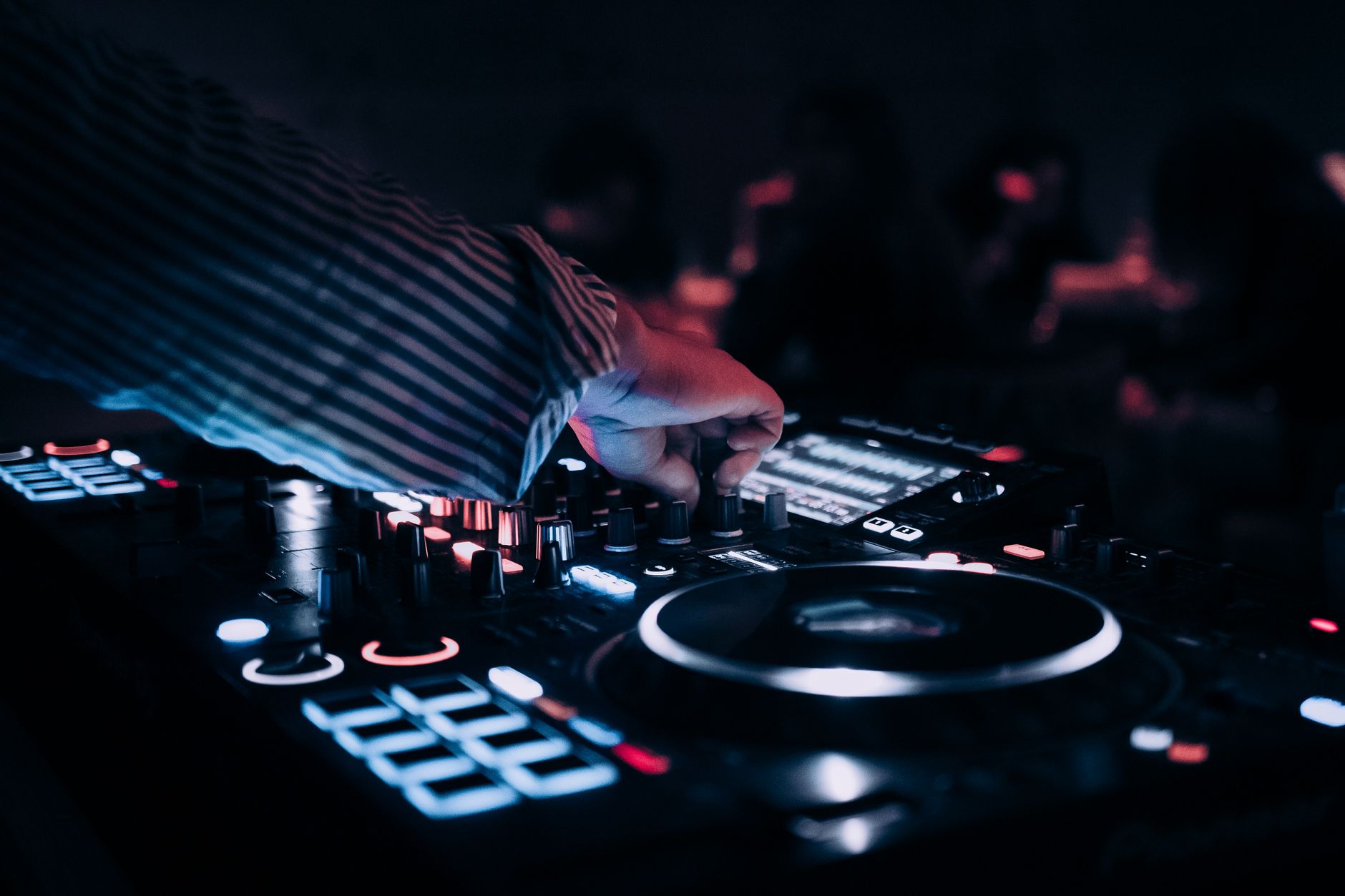
Intro edits, outro edits, and clean edits — the toolbox
"Edit" isn't one thing. Working DJs reach for a few specific shapes depending on the problem:
- Intro edits. The most common type by far — an extended, beat-friendly intro (typically 8, 16, or 32 bars) built from the track's own drums and elements, giving you room to beatmatch before the vocal or hook lands.
- Outro edits. The reverse problem. If a track ends on a busy vocal moment or an odd arrangement swerve, an outro edit gives you a clean exit instead of forcing an awkward cut.
- Clean edits / radio edits. Profanity-stripped versions for corporate gigs, daytime sets, and any room where "no explicit content" is written into the contract. Not optional at a lot of paid work — it's the difference between finishing the booking and getting a call from the venue mid-set.
- Quick edits. Shortened breakdowns or trimmed intros for high-turnover sets where you don't have 90 seconds to spare on a slow build.
None of these change what the track is. They change how fast you can get in and out of it, which — at a live gig, under time pressure — is most of the job.
Are DJ edits actually legal to play at a gig?
Short answer: yes, for the room you're actually playing in. Public performance at a licensed venue is covered by the venue's own performance licensing (PRS, ASCAP/BMI, and equivalent bodies depending on territory), the same way it covers the original — an edit doesn't need its own separate clearance to be played live at a gig. Where it gets murkier is distribution: selling an edit, uploading it publicly, or releasing it commercially is a different question with different rights involved, and that's true of a remix or a bootleg too, not just an edit.
(Worth being precise here, since "is this legal" gets asked a lot and answered badly: playing an edit in a booth is not the same legal question as publishing one. Keep edits for your own set, and the performance-rights side of it isn't the part that should keep you up at night.)
When does the original mix actually win?
Some tracks don't need touching. A tightly produced record with a short intro, a clean downbeat, and no dead air at the end is already doing the edit's job — building on top of it just adds a step for no gain. And there's a listening-experience argument for the original in the right context: a lounge set, a dinner-hour slot, a set built around the artist's actual intent rather than transition speed. Nobody's mixing out of a track in 8 bars at a listening bar. The original mix is the right call there, full stop.
The mistake isn't choosing the original. It's defaulting to it out of habit in a room where the transition actually needs to work, because reaching for whatever's already in the folder is easier than building the edit that fits.
How to build the edit you need before doors open
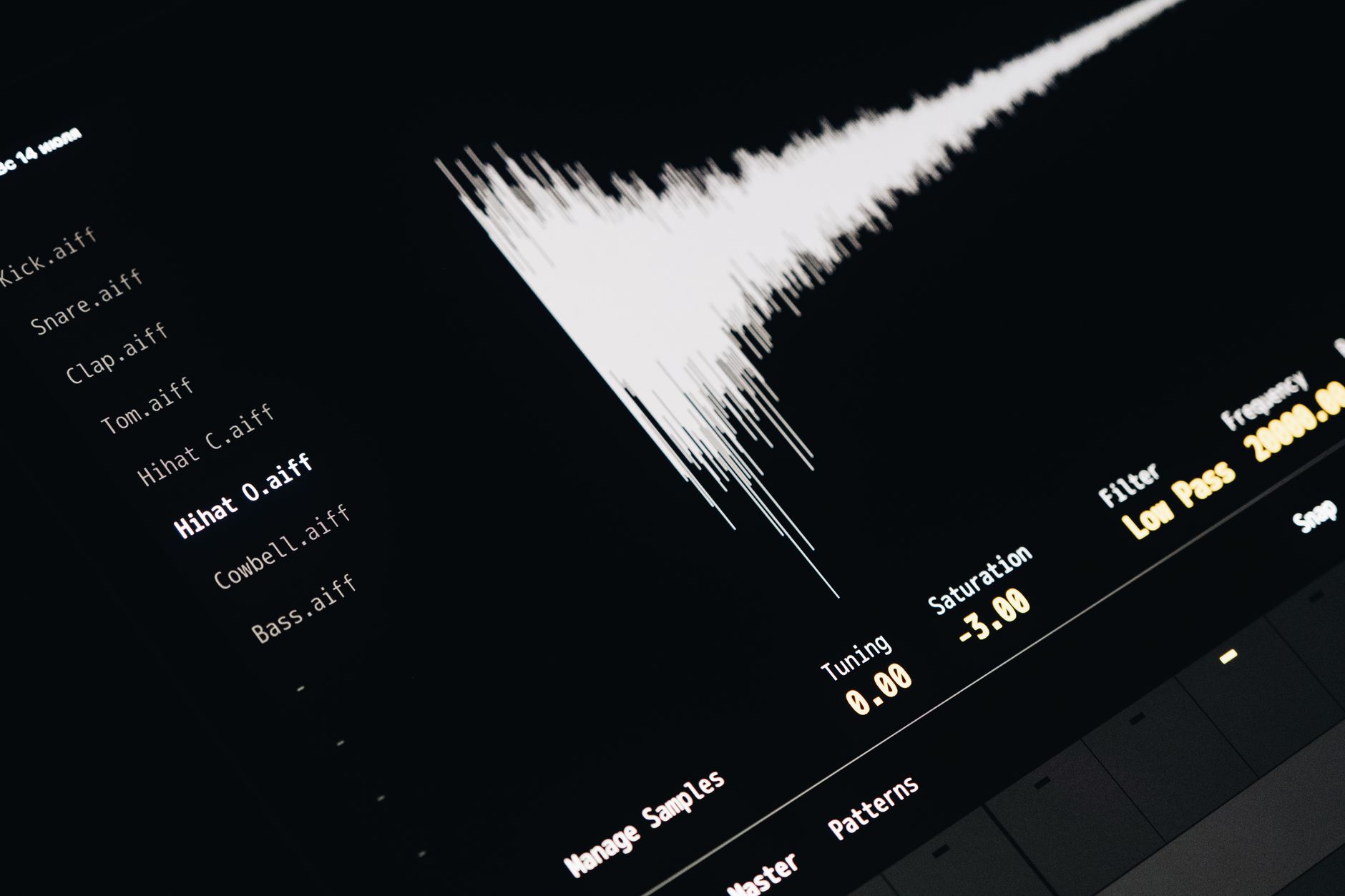
You don't need a production studio. Most working-DJ edits are built in whatever DAW is already on the laptop — Ableton Live, Bandlab, or the built-in editing tools inside Serato 3.x and Rekordbox 7. The process is closer to carpentry than composition:
- Pull the track in at full resolution — don't edit an MP3 you've already lost quality on.
- Loop the section you want to extend (usually the intro's drum bar) and duplicate it out to the bar count you need.
- Trim or fade the section that's fighting you — a dead-air outro, a spoken intro, a breakdown that stalls too long.
- Export at the same quality you started with and re-tag the BPM and key so your library doesn't lose the metadata you rely on mid-set.
Build edits in batches during the week, not the afternoon before a gig. The 1:47 AM save only works if the edit already exists in your bag when the moment shows up — nobody's opening a DAW mid-set.
Test the edit before it goes in your set, not during one. Run it once at home with headphones on, cue point set where you'd actually drop in live, and listen for the seam — a duplicated bar that repeats one beat too many, a fade that clips instead of rolling out clean. An edit with a bad seam is worse than the original, because now the room hears a mistake that didn't need to exist.
The library test — why edit-ready DJs get rebooked
Here's the opinion this whole article rests on: edits and remixes beat originals for a working DJ, full stop. The original 4-minute album version is built for streaming. The 3:18 club edit, the clean radio cut, the quick-mix intro — those are built for the job you're actually doing on a Friday night.
Picture the wedding planner's spreadsheet: a "must play" column, a "do not play" column with 47 songs on it, and somehow "Don't Stop Believin'" sitting in both. Somewhere in that mess, "Mr. Brightside" is banned by name — and it'll get requested at 12:45 AM anyway. A DJ with only the original in the folder is stuck. A DJ with a clean edit, a different arrangement, a version that isn't technically "the one they banned" has an out. That's not a loophole. That's the actual value of having more than one shape of the same song in your arsenal.
Promoters and planners notice which DJs show up prepared for the room that doesn't behave like the brief. It rarely shows up as a compliment. It shows up as a callback.
Same logic runs through the corporate calendar, not just weddings. A Friday-night ballroom gig with a strict no-profanity clause and a regional manager who requests "Mr. Worldwide" at 10:30 PM isn't a moment to discover you only have the explicit version on hand. The DJ with the clean edit already loaded finishes the booking without a scramble. The one who doesn't is explaining themselves to a venue manager instead of playing the next track.
Frequently asked questions
What is a DJ edit, exactly?
A reworked version of an existing track built for mixing — usually a longer intro, a trimmed breakdown, or a cleaner outro — without changing the melody, vocal, or drop. It's the same song, restructured for a booth instead of a pair of headphones.
Is a DJ edit the same as a remix?
No. A remix rebuilds the track — new drums, a different arrangement, sometimes a different genre entirely. An edit leaves the core of the song untouched and only changes structure: intro length, outro shape, breakdown length.
Do I need the original track before I can make an edit?
Yes, and at the highest resolution you can get — editing a low-bitrate MP3 locks in whatever quality loss it already has. Start from the best-quality file available, then edit down from there.
Should beginners use edits or learn to mix originals first?
Both skills matter, but they're not in competition. Phrase matching and reading a room don't get easier because the intro is untouched — an edit just removes the guesswork of whether that untouched intro gives you room to work. Learn to hear a phrase either way; use the edit to make the transition actually land.
Are clean edits required for every gig?
Not every gig, but a lot of paid ones — corporate events, daytime sets, any contract with a no-profanity clause. Having a clean edit ready before doors open beats scrambling for one mid-set because a venue manager flagged a lyric.
That 1:47 AM save only works because the edit already existed. Nobody builds one live. If you want to hear what a set built on the right version of the right track sounds like, the sets are on the homepage. The piece on how to organize Serato crates covers where those edits actually live once you've built them, and is using sync cheating picks up the other half of what gets a set through the room. More breakdowns like both live on the blog.
Image credits. All photos via Pexels under the Pexels free-to-use licence. Hero: Giovana Spiller. Inline 1: HamZa NOUASRIA. Inline 2: Egor Komarov. Inline 3: Daniel Nouri.